

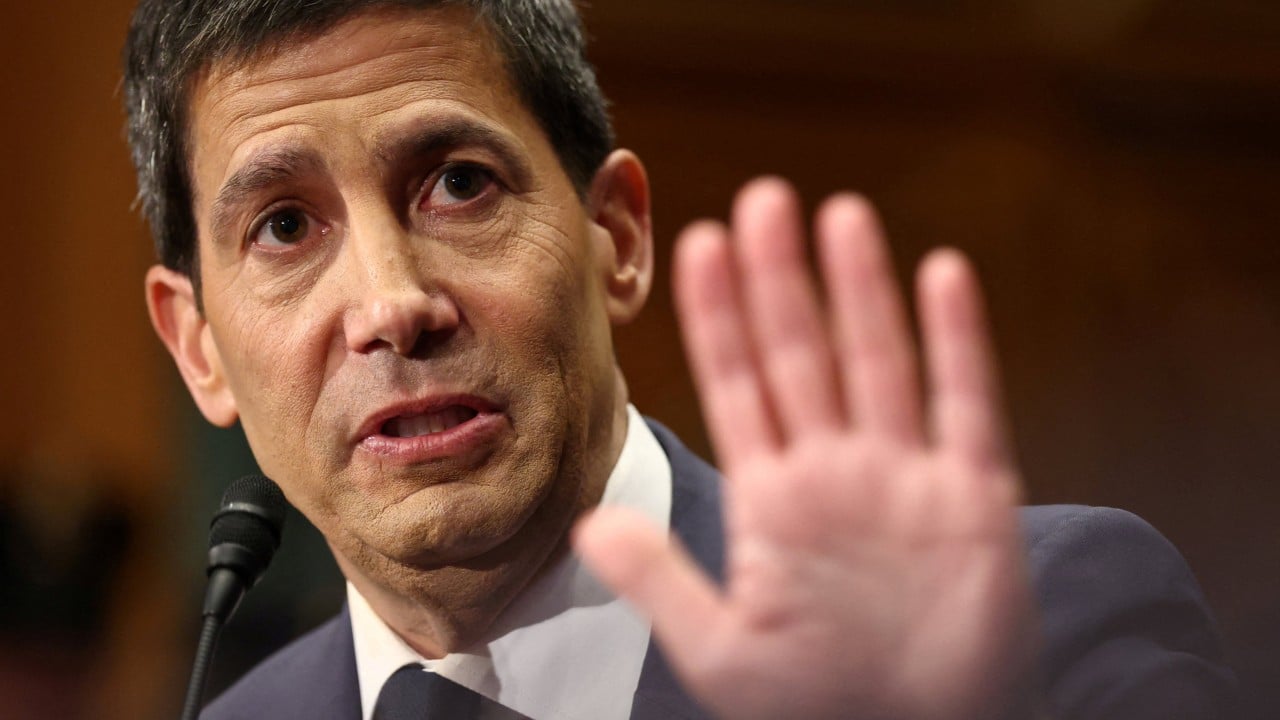
Analysts are divided over what Warsh’s leadership might mean for China and global financial markets more broadly. While some expect it to intensify competition with China, others have warned that any perception of political interference at the central bank could accelerate the shift of global capital away from US assets.
Lu Ting, chief China economist at Nomura, said a Warsh-led Fed would be a “policy experiment on a scale that cannot be underestimated,” centered on whether the central bank can maintain U.S. dollar dominance and price stability as it seeks institutional simplification, deregulation and greater technological openness.
“The reforms are underpinned by Warsh’s clear competitive view of China — he sees China as the main challenger to US economic dominance in both institutional and technological terms,” Lu wrote in an article posted on the social media account of the China Senior Economists Forum (CCEF) on Wednesday.
“(He) calls for strengthening America’s position in the long-term competition with China through AI-led productivity gains, a smaller and more efficient Federal Reserve, a stable and trustworthy US dollar, and flexible trade and monetary policies.”

