


DOHA — On Wednesday afternoon, as U.S. and Iranian negotiators wrapped up two days of indirect talks in Qatar, President Trump told reporters that Iran had agreed to “almost everything we need” and that “Iran’s denuclearization is going well.” Hours later, the vice president talked about a different conversation. “Obviously we are concerned about the nuclear issue,” J.D. Vance told reporters. “We’ll start talking about it.”
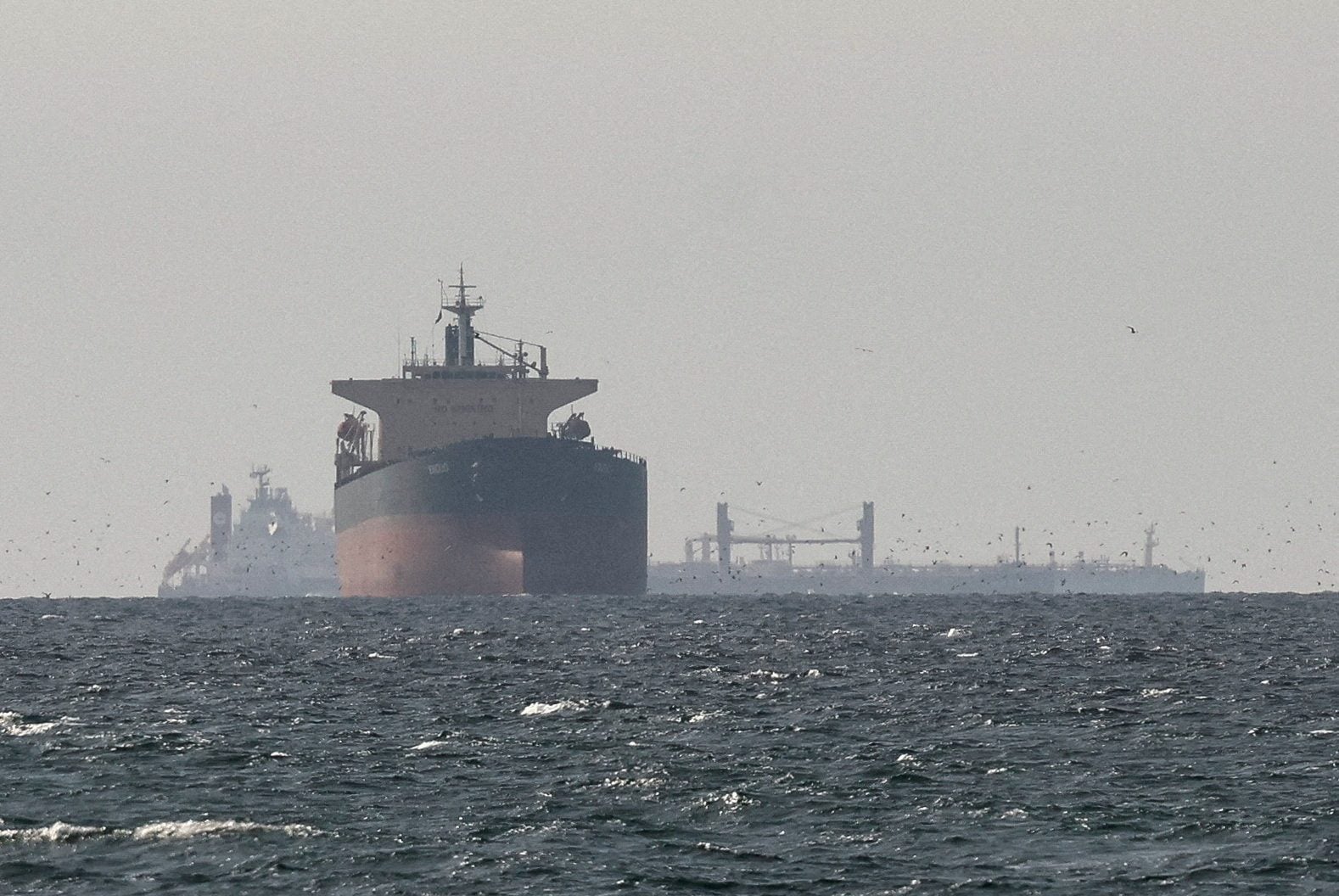
The two statements do not describe the same negotiations. Three weeks after the 60-day period set by the memorandum of understanding signed on June 17, American and Iranian technical teams in Doha spent their time studying the shipping system in the Strait of Hormuz and releasing $6 billion in frozen Iranian assets. Iran’s enrichment program, an issue that any permanent agreement must resolve, has not been substantively addressed, according to Eric Loeb of the Carnegie Middle East Program. Loeb said the nuclear issue “does not appear to have been dealt with in any depth, if at all.”
Talks are now stalled. The next round will not take place until after Ayatollah Ali Khamenei is buried in Mashhad on July 9, when the Shiite mourning ceremonies that began Thursday in Tehran will end. When negotiators meet again, 39 days will remain in the 60-day window.
The Doha sessions produced specific results on the issues on the agenda. The Iranian delegation, headed by Deputy Foreign Minister Kazem Gharibabadi, agreed to establish a communications channel with Washington to report violations of the memorandum of understanding. It was agreed to release part of the frozen Iranian assets in Qatar, amounting to $6 billion, to purchase goods that Iran needs. The Qatari and Pakistani mediators described the comprehensive talks as having achieved “positive progress.” What the Doha talks did not produce is a framework for what the nuclear part of any agreement would require from either side.
From the Iranian side, this question has several layers that have not been addressed publicly. Iranian Parliament Speaker Mohammad Bagher Qalibaf said this week that IAEA inspectors currently only have access to two sites: the Bushehr power plant and Natanz. Dozens of other declared and undeclared facilities remain outside the scope of inspection. The level of enrichment, the number of centrifuges, and the disposition of Iran’s stockpile of highly enriched uranium, which multiple Western governments have calculated as enough to make nearly a dozen nuclear devices, were not part of any disclosed negotiating text.
What happens at those other facilities during the downtime is not publicly known. Spencer Faragaso of the Institute for Science and International Security told CBS News this week that satellite images showed work continuing at Mount Pickaxe. “We have observed continued construction on Mount Pikax, which indicates that Iran is moving forward with its plans,” Faragaso said. Mountain axe It is an underground fortified site in the Zagros Mountain Range about one mile south of the Natanz complex. Tunnel digging there began in 2020. International inspectors were never granted access. Western intelligence assessments place the facility approximately 2,000 feet deep in the granite of the Fordow Enrichment Plant, likely beyond the reach of aerial munitions.
The US position on enrichment was not made clear publicly in the context of these talks. Trump’s statement that Iran has agreed to “almost everything” suggests the administration may be positioning the Hormuz agreements and assets as early evidence of Iranian flexibility on the broader deal. Analysts who followed the Doha talks do not agree with this reading. The two parties were “giving priority to the Strait of Hormuz and delaying discussion of the complex and controversial nuclear program.” Loeb told CBS Newsdescribing a pattern of problem management that can be accessed while waiting for the harder question.
Iran’s public position on enrichment has become more stringent since last February. Qalibaf and senior officials allied with the IRGC have described the enrichment program as non-negotiable in its existence, even if its scope is subject to specific criteria. What those parameters might be, and whether they are consistent with what the United States would need to call a denuclearization outcome, has not been tested in any round of talks so far. The gap between Trump describing it as “moving well” and Vance saying they would “start talking about it” is not a communications failure. It is a description of the actual negotiation venue.
Mojtaba Khamenei has not yet announced publicly whether the anti-nuclear fatwa issued by his father in 2003 is still binding under his authority, leaving Iran’s nuclear doctrine technically uncodified at a time when nuclear talks are scheduled to begin. Its political base in the IRGC has historically favored weapons capability. The new supreme leader’s silence on the question that directly determines whether the agreement is enforceable is the condition under which Vance “will start talking about it.”
The 60-day window does not automatically extend. The memorandum of understanding signed on June 17 set the hour for negotiation without specifying what would happen if the window closed without a nuclear framework. Thirty-nine days is enough time to agree on standards. Whether agreement on inspections, enrichment limits, disposal of stockpiles, and verification mechanisms is sufficient for a program that has not been comprehensively inspected in four years is a question that the Doha talks did not answer and will not be answered before the negotiators meet again after his burial in Mashhad.

