

Horror can come from all sorts of inspirations. Whether it’s cultural anxieties or forgotten legends, there is often a clear connection to specific times and places and this is especially the case for Subversive Memories. Before playing, I wasn’t particularly aware of the Brazilian dictatorship that oppressed the population between 1964 and 1985, but reading it afterwards it becomes clear that the generational trauma inflicted here left a lasting impression on the country. Rather than a strictly historical story, Subversive Memories adds a supernatural aspect to emphasize the depth of the damage caused.
Aesthetically, Subversive Memories adopts a lo-fi PS1 style approach which is reminiscent of the excellent Signalis. Where that title opted for a futuristic sci-fi look, the low poly graphics give everything here a dull, utilitarian feel – perfect for the mood and era. Your torch is an essential piece of equipment and the lighting effects are excellent, highlighting the details of the environment. It really felt like I was exploring a mid-20th century base with analog telephones and typewriters helping to set the scene.
You play as Renata, a Brazilian investigator dressed in vintage flared jeans. Haunted by gaps in her memory and a sense of loss, she follows a trail to an abandoned military base. What seems at first to be a story of routine oppression, albeit a horrific one, quickly turns into a nightmare beyond his wildest fears. Gameplay-wise, it takes the form of classic survival horror, with limited inventory slots, rare resources, and a focused map filled with shortcuts and secret passages.
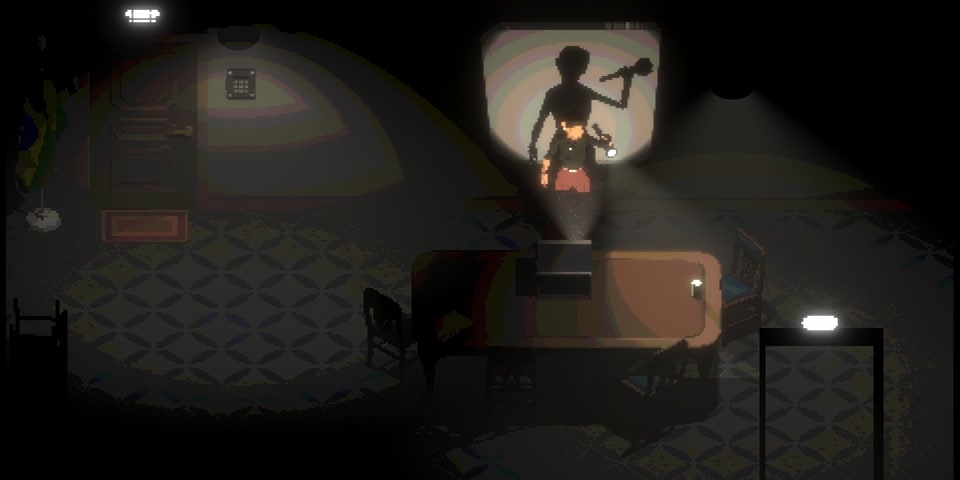
Unlike many games in this genre, there are no weapons to wield here. Instead, your torch doubles as a ranged attack with a focused beam dealing damage to dark entities lurking around the base. This is heavily inspired by Alan Wake, of course, but fits the narrative and setting even better here. Batteries are exhausted by flashes and are rare. I actually missed several times and had to reload an earlier save to plan my attacks more strategically and avoid more enemies.
The base isn’t a huge location and the game is very much a small, focused experience. This means you’ll quickly become familiar with the layout and can focus on the most efficient and safest path between puzzles and interactive objects. There are many notes and files to read which are all stored in your vaults for later viewing. This change to the usual format might have been annoying if the game world was larger, but it can also be fixed by taking notes or taking screenshots for reference.
The puzzles are logical and rely on you carefully following the information you find, as well as moving objects from one location to another. There is also a good mix of both, with the former always being clear and understandable – apart from an optional padlock which I have yet to find a solution for. Combat is also intuitive, but enemies hit hard and healing items are very rare, so it’s a good idea to save regularly.
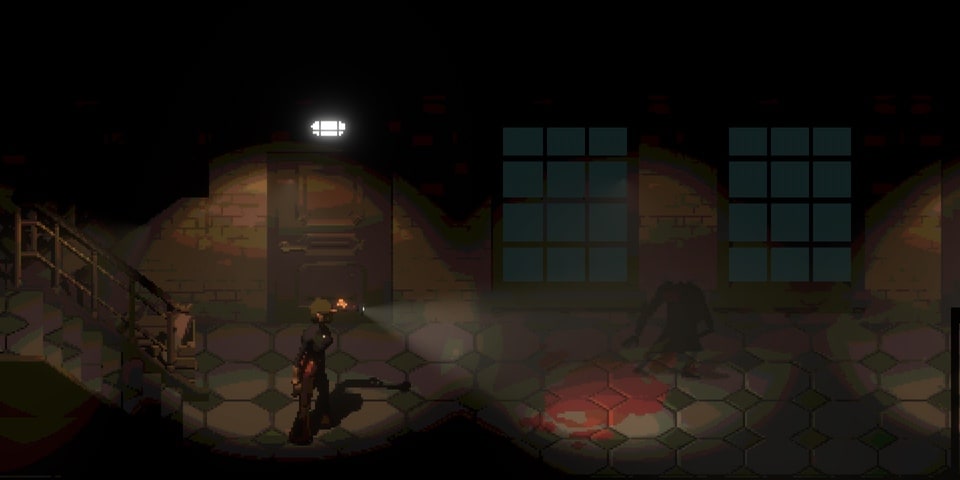
One of the real strengths of any traditional survival horror is the save room feel and Subversive Memories achieves this perfectly. The calming music is perfectly judged and wouldn’t be out of place in any Resident Evil title. Your files can be read in save rooms, but there’s no inventory box to juggle items with – the latter not really being necessary as loading is much more streamlined than in many other games of this genre.
The most important aspect of the game, however, is the power of the narrative and setting. While the presentation doesn’t deviate hugely from that of Umbrella Corporation, the fact that it’s based on real-life stories of torture and murder makes it a much more meaningful and historically important game. The files and notes you encounter contain redacted accounts of some truly heinous actions, many of which are unfortunately still relevant to today’s oppressive regimes.
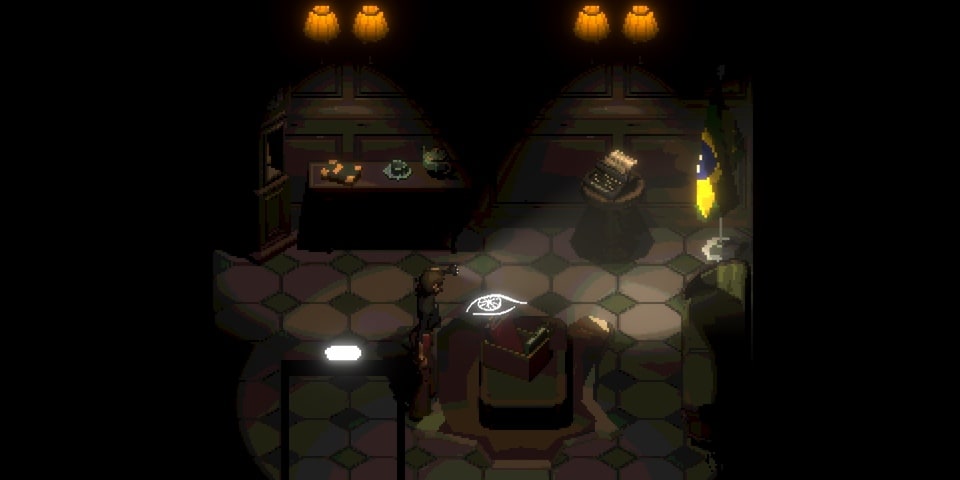
Another key element of the storyline is Renata’s uncanny ability to exorcise the ghosts of victims and enter a vision of their past. This requires you to find hidden candles, some of which are locked behind the game’s most complex puzzles, with each memory telling a particular story of abuse and corruption. Whether you’re familiar with the story or not, these are heartbreaking moments and speak to the trauma that inspired the game.

