

Walk into a restaurant today and you’re likely to see a menu that reads like a road map: the name of the dairy that supplied the cheese, the ranch behind the steak, the farm down the road where the tomatoes were grown. This change did not happen by chance. The farm-to-table movement has changed the way restaurants source food, how chefs create menus, and how diners think about what goes on their plate—and its influence on grocery shelves, farmers markets, and home kitchens continues to grow.
The idea sounds simple, but the philosophy behind it has changed an entire industry. Here’s what Farm to Table actually means, why it’s important, and how home cooks can use it.
What does “Farm to Table” mean?
At its core, farm to table describes food that comes directly from local farms, ranches, dairies or producers, with fewer middlemen between producers and consumers. The focus is on freshness, seasonality and transparency and is often linked to sustainable agriculture and supporting the local economy.
In practice, the term is most closely associated with restaurants that develop direct relationships with the people who grow their ingredients.
Molly Watsonwrite for The spruce eatsexplains: “Typically, the use of farm-to-table emphasizes a direct relationship between a farm and a restaurant. Instead of purchasing through a retailer or food service provider, some restaurants develop relationships with farms and purchase directly from them. Farmers benefit from being able to capture more of the profits their goods can generate at market, and many enjoy knowing how their food is handled and prepared.”
This reciprocal relationship—the chef knows the farmer, the farmer knows the chef—is what separates a true farm-to-table operation from a restaurant that simply markets “local” ingredients.
The clearest sign of the movement’s reach is the menu itself. Restaurants now rotate their dishes depending on the season, rather than printing the same offerings all year round. Many name the specific farms that provide their produce, meat and dairy. Hyperlocal ingredients—sometimes grown just a few miles from the kitchen—have become a selling point, not just a footnote.
The result is a food culture in which the quality and origin of the ingredients is more important than consistency. A tomato dish in July doesn’t look like one in February, and that’s the point.
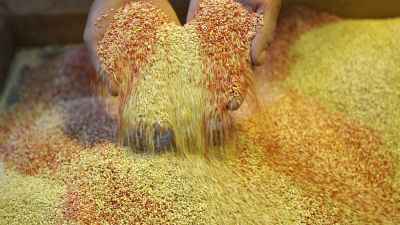
Traditional grains are quietly changing the way home cooks think about everyday meals. Grains like farro, spelt, einkorn, and teff, once relegated to health food stores and specialty bakeries, are now found in bowls, breakfast cereals, and pantry staples—and they’re easier to work with than most people expect. The appeal goes over (…)
Why “Farm to Table” is important for guests and farmers
The appeal goes in two directions. Guests receive fresher food and a clearer picture of where it comes from. Farmers receive a larger share of the profits from their goods and have greater control over how their products are used. Eliminating retailers shortens the supply chain, which advocates say is better for the local economy and the environment.


The movement has also pushed established grocers and chain restaurants to emphasize sourcing — a sign that what started in independent kitchens has changed expectations across the food industry.

Looking for a new addition to your wellness routine? Humann has delicious SuperBeets Heart Chews with pomegranate berries that provide cardiovascular health benefits. The formulated chews support healthy blood pressure, circulation and overall heart health to give you the results you want. Grape seed extract is the outstanding ingredient here, which (…)
How home cooks can get from farm to table
You don’t need a restaurant kitchen to cook this way. Chef Erling Wu Bower told Samantha Lande in one Food Network Article: “For the home cook, talking to farmers at the local farmers market or visiting a farm near your home is a great way to get a personal introduction to their products.”
If you visit a real farmers’ market, you’ll likely see chefs inspecting vegetables, sampling fruits, and planning evening specials of farm-to-table fare—the same approach any home cook might take. Ask questions, try before you buy, and build your meals based on the season rather than a set shopping list. That’s the whole philosophy in miniature.

