(The content of this article was produced by our advertising partner.)
Applications for the 2026 edition will close on June 18. Key new elements include a dedicated low carbon citation, mandatory joint submissions by full project teams and careful auditing of measurable sustainability performance during project delivery and construction.
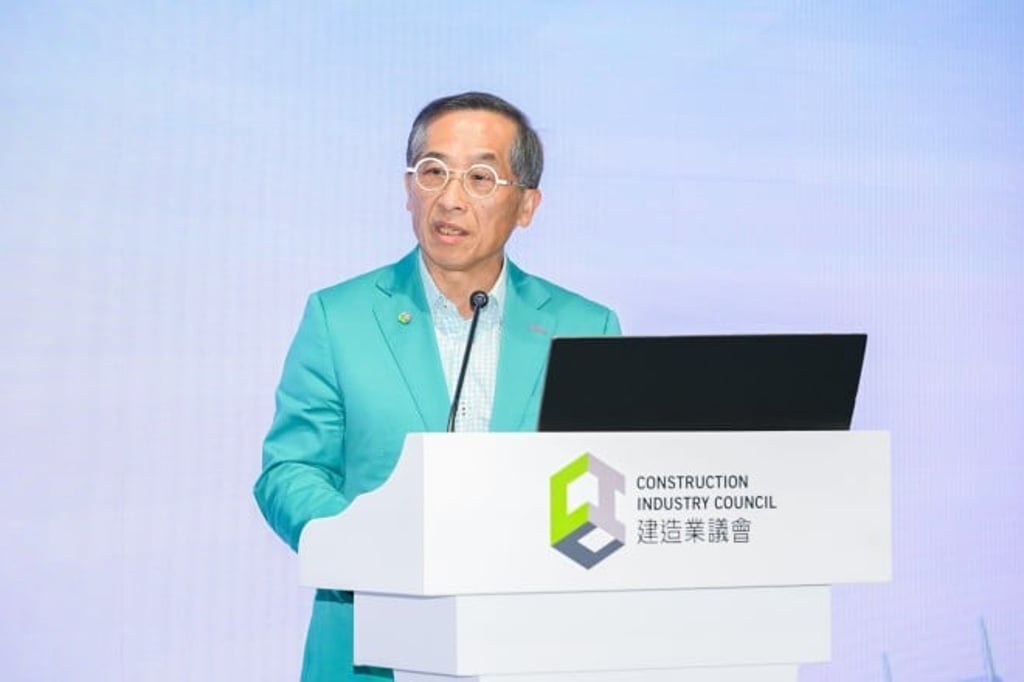
According to CIC President, Professor Thomas Ho On Seng, the award now serves as “an accelerator to demonstrate industry responsibility, commitment and collective progress”.
These changes come as Hong Kong’s construction industry continues to account for a large share of Hong Kong’s carbon emissions. Government targets call for carbon neutrality by 2050, with national targets providing additional guidance.
CIC has identified site electrification and clean energy adoption, construction and demolition waste management, as well as the adoption of high-productivity construction methods and digitalization as three key decarbonisation trends, which the updated award seeks to support by integrating them into day-to-day project delivery.
Under the revised rules, entries in the project category require input from the full team which includes the main contractor, consultants, specialists and the client. This format enhances coordination from the design stage to construction.
The judging pays explicit attention to safety culture as well as environmental performance, social considerations and economic viability. Submissions are expected to include verifiable data, including information generated by tools such as the CIC Carbon Assessment Tool and the CIC Smart Waste Management Tool.
The new Low Carbon Citation is a special recognition within the project category, covering public buildings, private buildings, civil projects or repair, maintenance, modification and addition. It recognizes projects that demonstrate exceptional achievements in carbon reduction, particularly through innovation in materials, improved construction processes and low-carbon site practices.
Professor Ho explained the intention, saying: “We do not want empty talk. We want real implementation that gives data and examples for the sector to follow.”
He also cited Chinachem Group’s Tonkin Street Complex development project in Kowloon as an exemplary project, which received the Gold Award in the Developer (Private Sector) category in the 2023 edition.

According to Professor Ho, comparable data-driven approaches are being explored or adopted in typical public sector projects.
Professor Ho believes that these cases are evidence of the award’s ability to encourage its wider adoption. Investment Canada has also established links between carbon performance and finance.
Through CIC’s Green Product Certification Programme, eligible borrowers can apply for green financing to support the manufacture, distribution and procurement of green building materials certified under OCBC’s Sustainable SME Finance Framework. This arrangement helps address the cost considerations that small contractors often raise when evaluating new technologies.

A series of information sessions for small and medium-sized enterprises began in May to present these solutions in accessible terms.
“We know that many SMEs are still hesitant due to concerns about cost or complexity,” he said. “That’s why we give them the tools directly and show them how to achieve safety, productivity and environmental gains at the same time.”
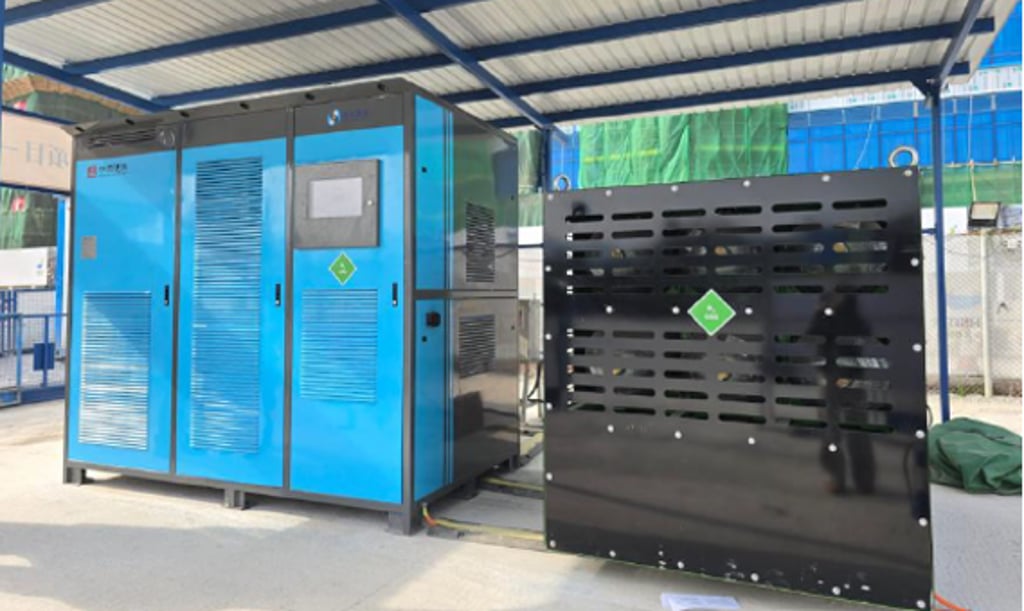
The Northern Metropolis is emerging as a major testing ground for these innovations. Its scope provides space to trial full plant electrification, hydrogen steering systems, and circular materials systems.
The whole-team submission format encourages early discussions about data sharing and material selection. Consultants and contractors can agree on monitoring protocols from the outset, producing the robust evidence needed for low carbon certification.
This approach reflects the life cycle thinking promoted by CIC: decisions at the design stage determine carbon performance through to commissioning and eventual disassembly.
Professor Ho believes successful local examples can expand their influence on projects in the Greater Bay Area, where many Hong Kong developers have significant interests.
CIC continues to develop supporting tools, including an expanded Material Passport platform, to track and evaluate reusable components in future cycles.
“What we want to see is real implementation, which gives the construction sector data and examples to follow,” he said.


